Protecting bats puts food on the table.
03.20.26
By Paul Hormick
From your favorite fruits and vegetables to staple foods and thriving ecosystems, there’s a bat species to thank.
For decades, science has documented the benefits bats provide to agriculture, as they pollinate crops and suppress pests. In the past several years, more rigorous and advanced scientific methods have advanced our knowledge of the immense agricultural services bats provide. And more research is being done around the globe.
Nature’s Pest Control

Insectivorous (or insect-eating) bats mostly consume moths, which in their caterpillar stage are often crop pests, such as armyworms, black cutworms, and corn earworms. Researchers estimate that, as bats feed on these pests, they save U.S. farmers at least $3.7 billions of dollars every year. In fact, for those of you who enjoy some savory summer fruits and vegetables, here’s a fun fact: millions of Mexican free-tailed bats (Tadarida brasiliensis) chomp away each night at corn earworm moths (aka cotton bollworm, tomato fruitworm, etc.), which attack a host of commercial plants from artichokes to watermelons.
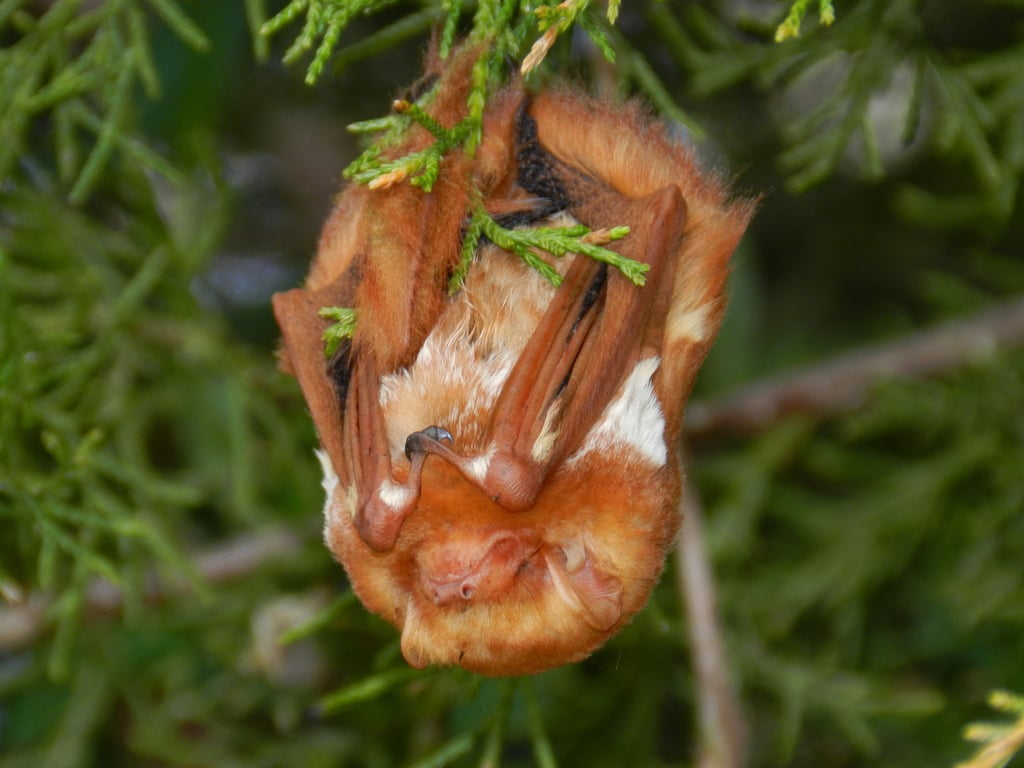
Traditionally, studies of bat’s insect consumption benefiting farmers relied on calculations combining the estimates of bat populations, their consumption of pests, and the damage by the pests. Researchers in Illinois took things a step further by conducting an in-field experiment. The researchers used large enclosures to exclude bats from plots of corn. After examining the crops after several months, these plots had 60 percent more earworms, and damage to the crop was about 50 times higher than cornfields where bats were allowed to hunt. Bats common to the region of Illinois, where the experiment took place, include eastern red bats (Lasiurus borealis), evening bats (Nycticeius humeralis), tricolored bats (Perimyotis subflavus), and northern long-eared bats (Myotis septentrionalis), all of them insectivores.
In a surprising outcome of the study, the scientists found the presence of bats even reduced a fungus that afflicts corn kernels. In all, the researchers estimate bats save more than $850 million in the U.S. and $1 billion to corn crops worldwide every year.
In human terms, bats ridding our farms and fields of pests and pollinating our crops means there is another bowl of rice, another loaf of bread, and more fruits and veggies.
The severe decline of bat populations in North America due to white-nose syndrome (WNS) has had repercussions for farmers and even human health. Eyal G. Frank, an environmental economist and Assistant Professor at the Harris School of Public Policy, University of Chicago, looked at the eastern part of the U.S., where North American bats had first fallen victim to WNS. In places where WNS had reduced bat populations, Frank found farmers increased their use of pesticides by over 31 percent. Further, where pesticide use had increased, infant mortality rose by almost eight percent.
Throughout the United States, the loss of bats due to WNS is estimated to cost agriculture $495 million every year. The costs go beyond crop loss. In counties with declines in bat populations, land rental rates went down by $2.84 per acre and $1.50 per acre in adjacent counties. These figures seem small, but when farms extend over hundreds or thousands of acres, the differences can add up.
Global Cuisine is Bats
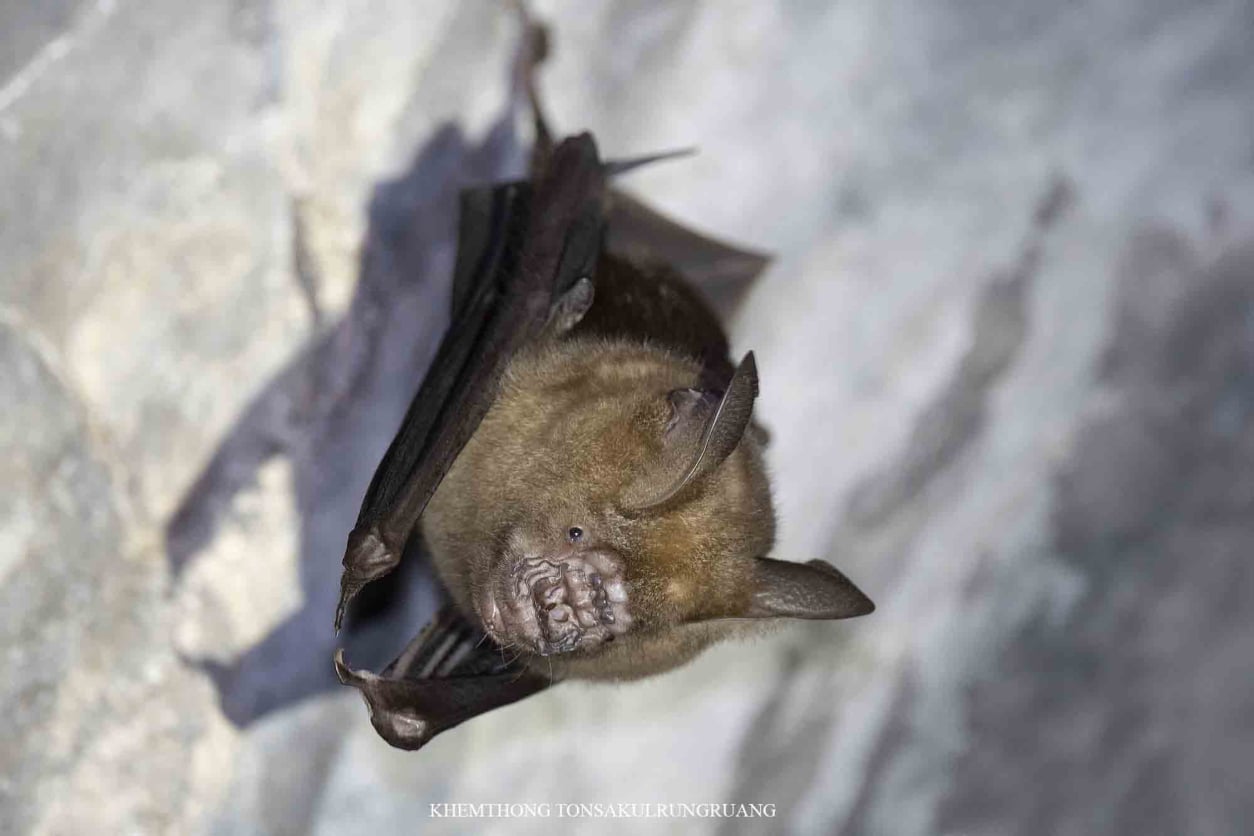
By analyzing DNA from bats’ droppings, scientists in China were able to determine their diets. They found the most common insects consumed by insectivorous bats to be mosquitoes, moths, and beetles (moths and beetles are two of the most common agricultural pests). In all, they found 75 major agricultural and disease-spreading pests in the bats’ diets. Using the same research approach, another recent study in China found bats consumed more pests than beneficial insects. Pests constituted almost 70 percent of bats’ diets; beneficial insects comprised only about five percent. One of the most common insectivorous bats in China is the great roundleaf bat (Hipposideros armiger) —also known as the Himalayan leaf-nosed bat—,whose diet includes beetles and moths, orders of insects with many common agricultural pests.
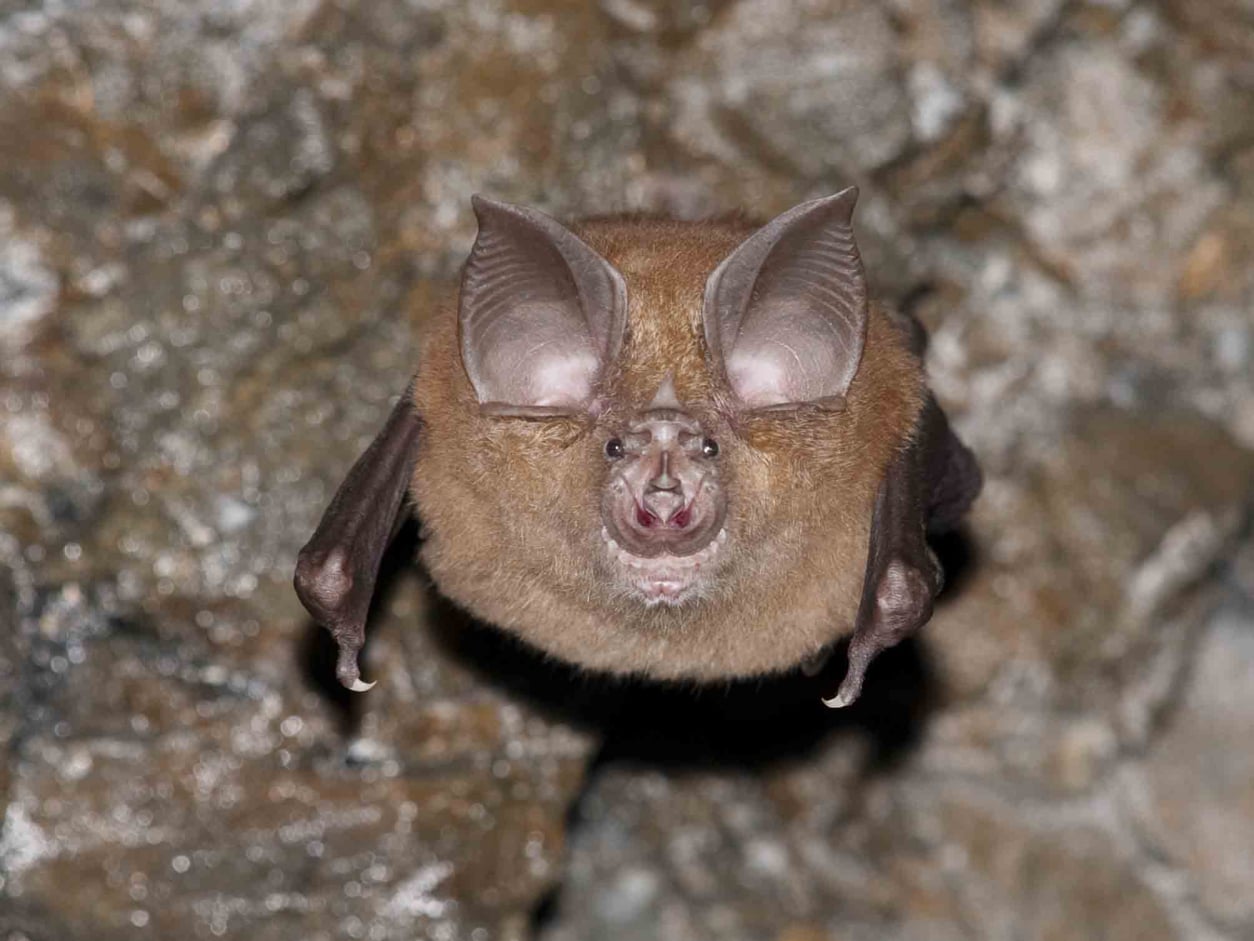
In the Middle East and North Africa, something of a symbiotic relationship has developed between bats and date farmers. Bats are attracted to the artificial oases created by date plantations, with 12 of the 16 known bat species of a desert region using date plantations for foraging. Among these bats are the greater horseshoe bat (Rhinolophus ferrumequinum) and the Kuhl’s pipistelle (Pipistrellus kuhlii). The bats appear to benefit from the habitat created by the plantations, and analysis of their guano shows that much of their diets consist of date insect-pests.
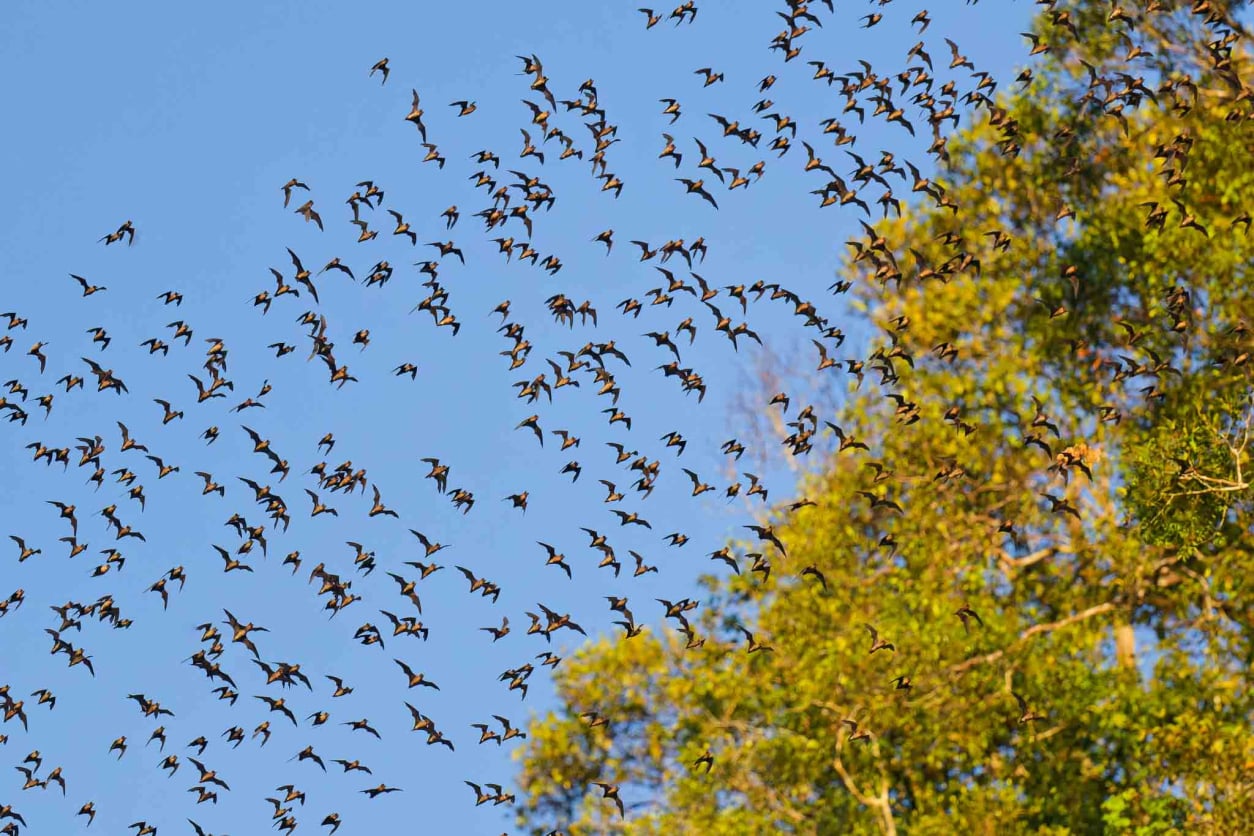
A single species of the free-tailed bat family, the wrinkled-lipped bat (Mops plicatus), prevents the loss of 2,900 tons of rice per year in Thailand, saving rice farmers an estimated $1.2 million each year in 2014 dollars. A team of scientists estimated that bats, such as the Egyptian slit-faced bat (Nycteris thebaica), feeding on stinkbugs reduces damage in the macadamia orchards of South Africa by nine to 23 percent. And in Brazil, the black myotis (Myotis nigricans) and other bats save around $94 per hectare of corn every year, leading to a total annual savings of over $390 million annually.
Pollination is Bananas
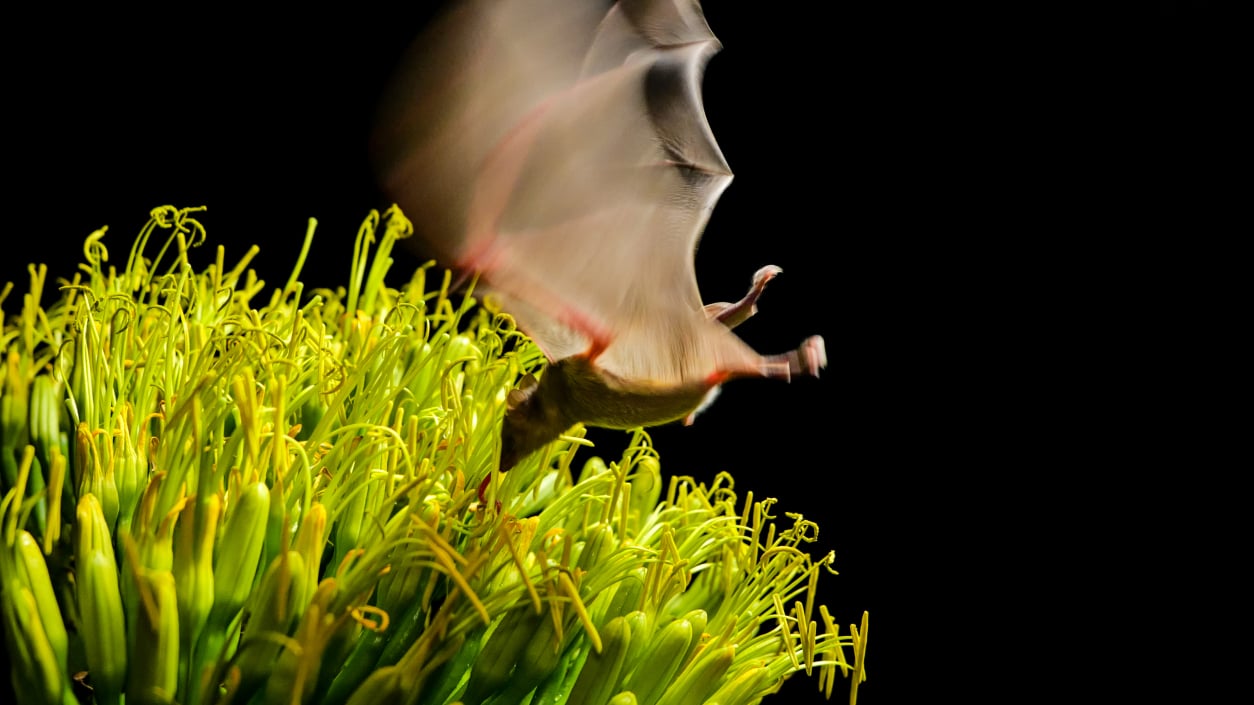
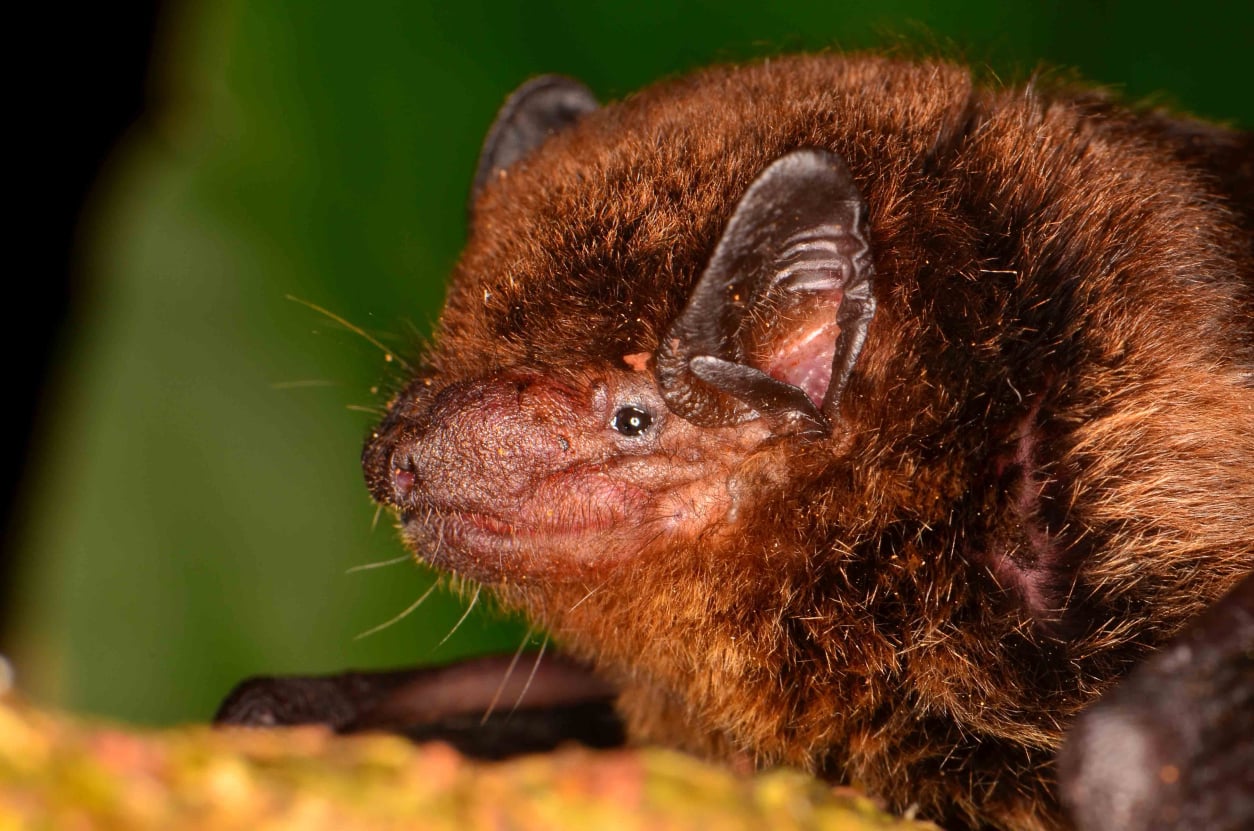
If you like bananas, thank a bat. All crop bananas come from bat-pollinated ancestors in Southeast Asia. Commercial bananas don’t have seeds, so they don’t need pollination. But agronomists rely on wild, bat-pollinated bananas to ensure genetic diversity for disease resistance and to develop new varieties. Bats pollinate other tropical plants such as mangoes and agaves, including the agave used in making tequila, which is pollinated by the Mexican long-nosed bat (Leptonycteris nivalis). BCI’s Agave Restoration Initiative is restoring keystone agave plants and agave ecosystems across Mexico and the Southwest U.S., creating a climate-resilient migratory corridor for 3 species of threatened and endangered pollinating bats. At least 65 other commercial crops rely on bats for pollination.
BCI’s Agave Restoration Initiative is restoring keystone agave plants and agave ecosystems across Mexico and the Southwest U.S., creating a climate-resilient migratory corridor for 3 species of threatened and endangered pollinating bats.
Guano Happens
And don’t forget guano. It makes an excellent fertilizer, containing nitrogen and available phosphate. Though its use in industrial farming has been eclipsed by synthetic fertilizers, many gardeners still use bat guano to fertilize their tomatoes, beets, and rutabagas. They prefer guano over chemically synthesized fertilizer for its ability to improve soil structure and enhance beneficial microbial activity. Guano contains micronutrients, such as copper, iron, and manganese, and also serves as a natural fungicide.
But don’t try to harvest bat guano on your own, as the droppings can contain a microscopic fungus that causes histoplasmosis, a disease that primarily affects the lungs, and which, left untreated, can be fatal. Of course, bats provide this service free of charge as they fly over cornfields and cabbage patches and poop.
Governmental policy papers and scientific studies measure the benefits bats provide to agriculture in millions or billions of dollars, but in human terms, bats ridding our farms and fields of pests and pollinating our crops means there is another bowl of rice, another loaf of bread, more fruits and veggies. When it comes right down to it, protecting bats puts food on the table.
Paul Hormick, author of the environmental newsletter The Green Dispatch, has spent the last 22 years writing about music, food, and the environment.